 Ultimate guide
Benefits of Proactive Chiropractic Care: A Practical Guide
Last Updated: November 17, 2026
Quick Summary
Proactive chiropractic care is a scheduled, ongoing approach to spinal and joint health that maintains mobility, posture, and function before pain becomes a problem. It starts with an assessment of range of motion, posture, and functional ability, and visit frequency depends on your baseline, goals, and response to care.
- Proactive care begins with an assessment, a baseline, and a plan rather than waiting for pain.
- Regular adjustments particularly suit people who sit for long hours or train hard.
- Spinal manipulation was effective for chronic neck pain when combined with exercise.
- Skip proactive care if you have severe osteoporosis, spinal fracture, active infection, or unexplained neurological symptoms.
- There is no universal schedule; visit frequency depends on your baseline, goals, and response to care.
Table of Contents
- What Proactive Chiropractic Care Actually Means
- Benefits of Regular Chiropractic Adjustments
- Chiropractic Care Safety and Risks: Who It Helps and Who Should Use Caution
- Building a Proactive Care Plan in Chandler
- Frequently Asked Questions
What Proactive Chiropractic Care Actually Means
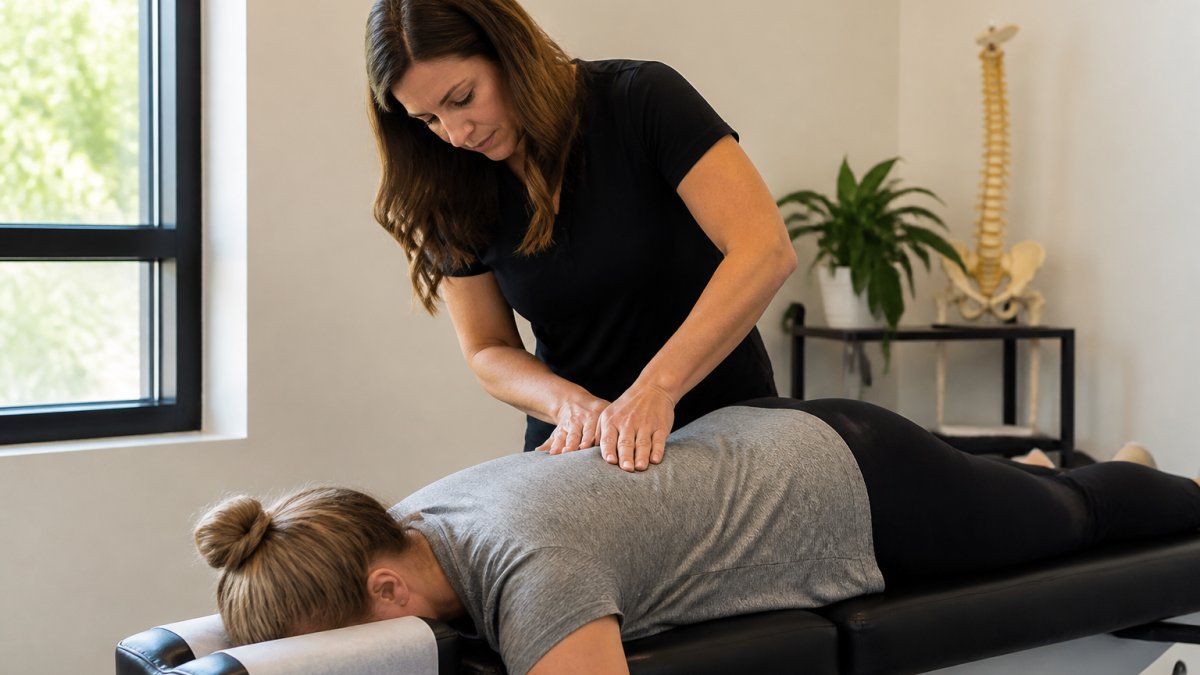
Proactive chiropractic care is a scheduled, ongoing approach to spinal and joint health that maintains mobility, posture, and function before pain becomes a problem. At Figa Chiropractic & Acupuncture in Chandler, AZ, it's care you plan rather than care you chase.
Reactive care begins when something already hurts; proactive care begins with an assessment, a baseline, and a plan. A review of prevention-focused chiropractic care discusses potential roles for chiropractors in prevention but does not prove routine adjustments prevent pain in everyone, we treat proactive care as a tool for maintaining function, not a guarantee.
If you want to know what a first visit involves, read our guide to what to expect at a chiropractic appointment.
Benefits of Regular Chiropractic Adjustments
Regular adjustments support mobility, posture, and day-to-day comfort, particularly for people who sit for long hours or train hard. A study of ongoing chiropractic care found some patients with long-term chronic low back and neck pain managed symptoms with slight improvement, and a review of evidence-based chiropractic practice notes spinal manipulation was effective for chronic neck pain when combined with exercise.
Our drug-free approach is covered in why chiropractic care is drug free, and you can schedule an appointment when ready.
Chiropractic Care Safety and Risks: Who It Helps and Who Should Use Caution
Chiropractic care is not risk-free or right for every condition.
Best for: active adults, desk workers with postural strain, athletes managing recovery, and people with chronic neck or low back pain cleared for manual care.
Skip if: you have severe osteoporosis, spinal fracture, active infection, or unexplained neurological symptoms. Those need medical evaluation first.
Mild soreness after an adjustment can occur, but sharp pain, numbness, or weakness is not something to push through, contact a qualified provider. Pregnant patients can read our article on whether chiropractic adjustments are safe in pregnancy, and our frequently asked questions answer common concerns.
Here is who proactive chiropractic care tends to suit and who should get medical clearance first.
| Category | Who | Note |
|---|---|---|
| Best for | Active adults | Cleared for manual care |
| Best for | Desk workers with postural strain | Long hours sitting |
| Best for | Athletes managing recovery | Training hard |
| Best for | People with chronic neck or low back pain | Cleared for manual care |
| Skip if | Severe osteoporosis | Needs medical evaluation first |
| Skip if | Spinal fracture | Needs medical evaluation first |
| Skip if | Active infection | Needs medical evaluation first |
| Skip if | Unexplained neurological symptoms | Needs medical evaluation first |
Building a Proactive Care Plan in Chandler

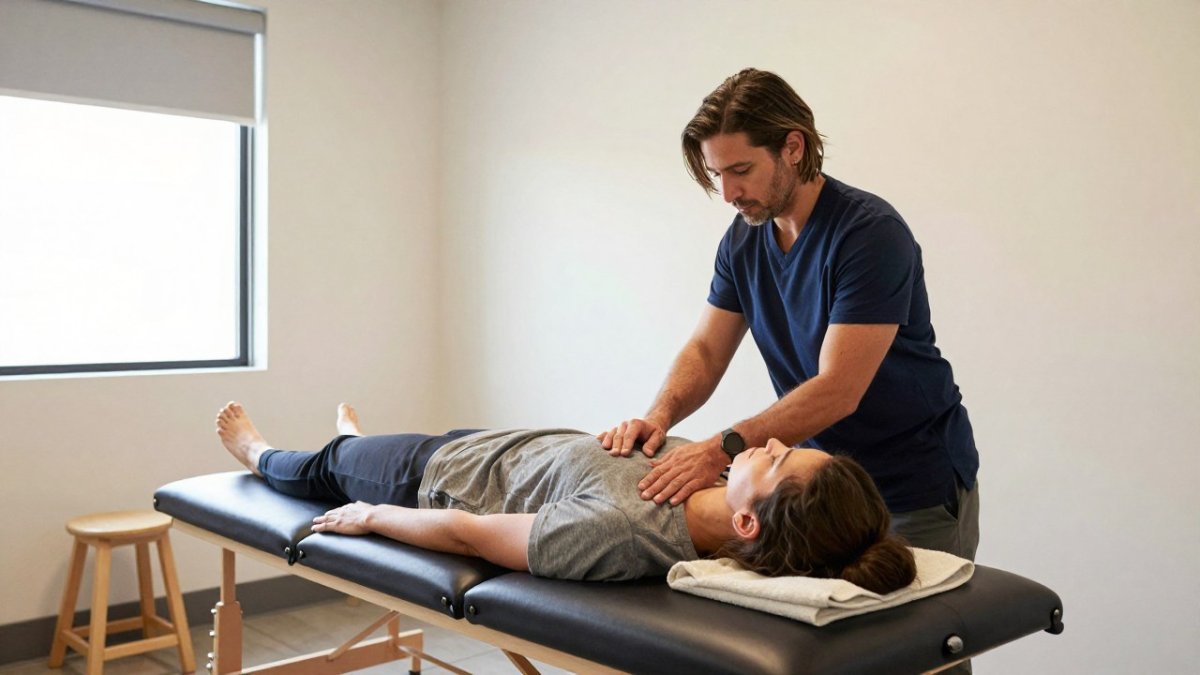
A proactive plan generally starts with an assessment of range of motion, posture, and functional ability. There is no universal schedule; visit frequency depends on the individual's baseline, goals, and response to care.
If you are searching for proactive chiropractic care near me, start with a consultation and a clear conversation about what you want to improve.
Ready to stop reacting to pain and start maintaining your mobility? Figa Chiropractic & Acupuncture offers personalized, results-driven treatment plans, advanced therapies including PEMF and NeuFit, and a non-invasive, drug-free approach to pain management. Get started with Figa Chiropractic & Acupuncture and build a care plan around your goals.
Frequently Asked Questions
What are the potential benefits of proactive chiropractic care?
Proactive chiropractic care aims to support spinal health, joint mobility, and range of motion before pain becomes limiting. A 2023 review indexed by PubMed Central notes chiropractors may play a role in prevention, though the strength of each claim varies. Outcomes depend on the individual and should be discussed with a qualified provider.
How often should you see a chiropractor for proactive care?
There is no single schedule that fits everyone. Visit frequency depends on your history, goals, and how your body responds, and a 2021 study on ongoing chiropractic care found some patients with chronic low back and neck pain managed their symptoms with slight improvement over time. A provider should reassess your progress regularly rather than lock you into a fixed plan. Ask what markers will show the care plan is working and when visits can be spaced out.
Is chiropractic care safe for everyone, and what are the red flags?
Chiropractic care is not appropriate for every situation. Seek medical evaluation first for severe or sudden pain, unexplained weight loss, fever, loss of bladder or bowel control, progressive weakness, or pain after significant trauma. A 2012 review indexed by PubMed Central reports mixed findings on spinal manipulation for chronic neck pain, with some evidence supporting its use alongside exercise. Tell your provider about pregnancy, osteoporosis, or prior surgery so they can adapt the approach.