 How-to
7 Ways to Relieve Lower Back Pain at Home
Last Updated: November 1, 2026
Quick Summary
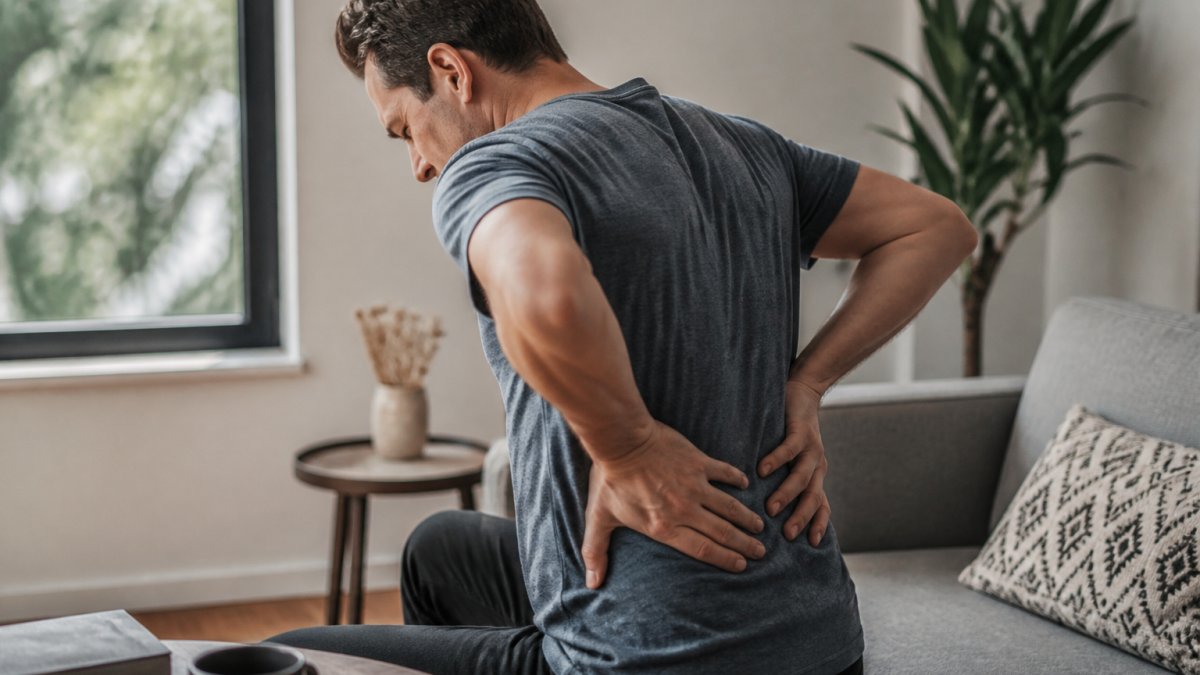
To relieve lower back pain at home, apply ice for the first 48 to 72 hours after a back injury, then switch to heat once inflammation settles. Gentle daily stretches, supportive sleeping positions, and low-impact movement like walking or swimming about 30 minutes at least three days a week help you recover and prevent flare-ups.
- Apply ice for 15-20 minutes at a time, wrapped in a thin towel so it never touches bare skin.
- Hold gentle stretches such as knee-to-chest, pelvic tilt, and cat-cow for about 20-30 seconds.
- Sleep on your back with a pillow under your knees or on your side with one between your knees.
- See a doctor if pain follows an injury, lasts more than a few weeks, or comes with numbness or weakness.
- Stand up and move every 30-45 minutes on workdays to avoid sitting all day.
Table of Contents
- Start With the Right First 48 Hours
- Lower Back Pain Stretches That Actually Help
- Heat or Ice for Lower Back Pain: Which One First?
- Sleeping Positions for Lower Back Pain
- When to See a Doctor for Lower Back Pain
- Build a Home Plan That Fits Your Day
- Frequently Asked Questions
Start With the Right First 48 Hours
Most people reach for a heating pad the moment their back seizes up. That instinct is backwards. According to MedlinePlus guidance on caring for your back at home, you should apply ice for the first 48 to 72 hours after a back injury, then switch to heat.
Cold numbs the area and limits swelling. Heat comes later, once inflammation settles, to relax tight muscles and get blood moving.
So if you're figuring out how to relieve lower back pain at home in the first two days, start cold:
- Ice pack, 15-20 minutes at a time, a few times a day
- Wrap the pack in a thin towel so it never touches bare skin
- Keep moving gently rather than lying still for hours
If sitting all day is what set your back off, our article on why lower back pain gets worse after sitting explains the pattern and how to break it.
Lower Back Pain Stretches That Actually Help
The best lower back pain stretches are gentle, held briefly, and repeated daily. Stretching and relaxation training can reduce adhesion between muscle fibers and improve how the muscles work, according to research published in PMC.
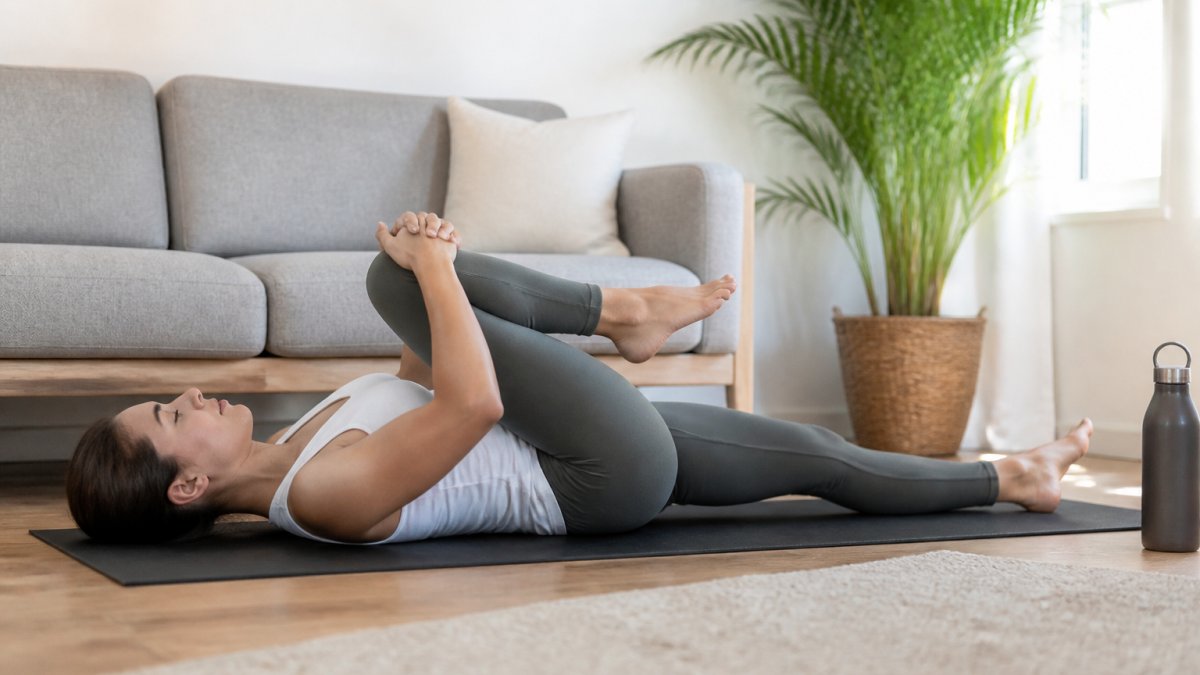
Try these three, holding each for about 20-30 seconds:
- Knee-to-chest: lie on your back, pull one knee toward your chest, switch sides
- Pelvic tilt: lie on your back, flatten your lower back gently into the floor
- Cat-cow: on hands and knees, slowly arch and round your spine
Stop any stretch that sends sharp pain down your leg. If you want to understand what's driving the pain before you stretch, read our breakdown of lower spine pain causes and solutions.
Heat or Ice for Lower Back Pain: Which One First?
Ice comes first for a fresh injury, then heat. That order matters more than most people realize. Many health sources advise against immediate heat after a back injury, because cold helps limit swelling.
A simple rule of thumb:
| Timing | What to Use | Why |
|---|---|---|
| First 48-72 hours | Ice | Numbing, limits swelling |
| After 72 hours | Heat | Relaxes tight muscles |
| Chronic, no injury | Heat | Eases stiffness |
Avoid leaving either one on for long stretches, and don't sleep on a heating pad.
Sleeping Positions for Lower Back Pain
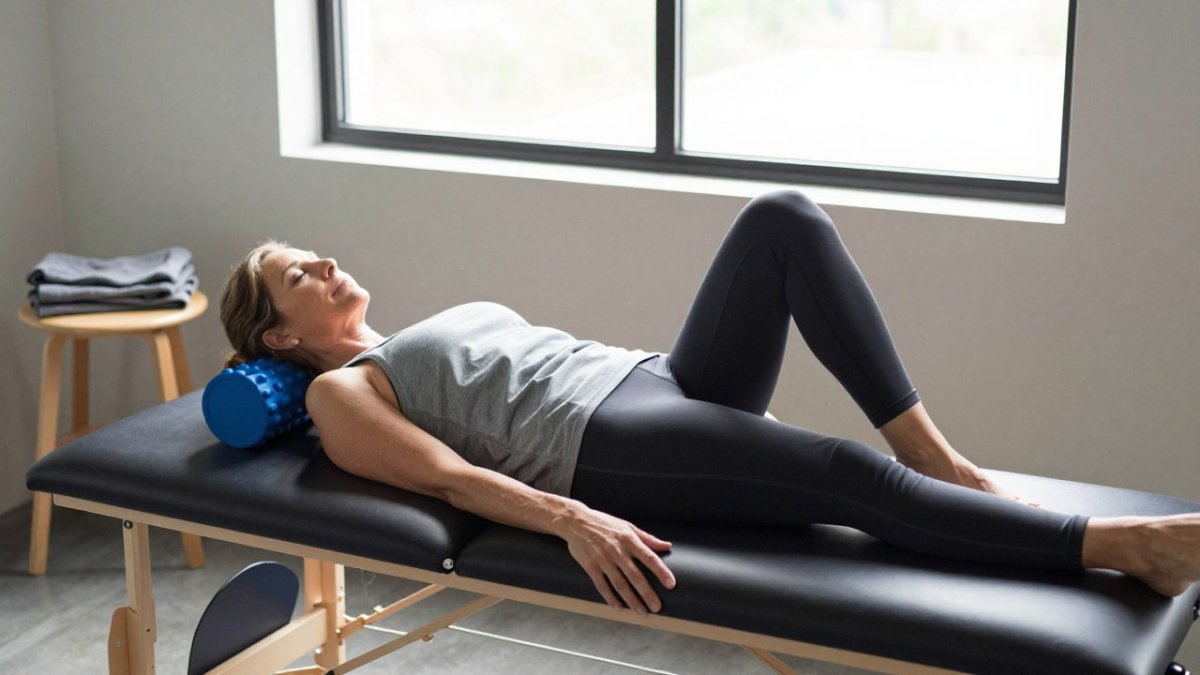
The best sleeping positions for lower back pain keep your spine neutral. Back sleeping with a pillow under your knees and side sleeping with a pillow between your knees both work well. Stomach sleeping twists your neck and arches your lower back, so avoid it if you can.
Small adjustments make a real difference:
- Back sleepers: pillow under the knees to flatten the lower back
- Side sleepers: pillow between the knees to keep hips level
- Firm-ish mattress: too soft and your hips sink out of line
If you wake up stiff every morning, your setup is likely the culprit, not your back.
When to See a Doctor for Lower Back Pain
See a doctor if your pain follows a fall or injury, lasts more than a few weeks, or comes with numbness, weakness, or trouble controlling your bladder or bowels. Those are red flags that need medical attention, not home remedies.
For everyday aches that won't quit, professional care can help. When home care isn't enough, our back pain treatment in Chandler page shows what chiropractic care involves and how to book. If you're weighing whether a chiropractor is right for you, this guide on how a chiropractor for back pain can help explains how we look for the root cause rather than chasing symptoms.
One more note: stretching and strengthening at least two days a week helps prevent back pain from returning, per federal prevention guidance from ODPHP.
Build a Home Plan That Fits Your Day
A home plan only works if it fits your actual schedule. Low-impact movement like walking, yoga, or swimming for about 30 minutes at least three days a week is a realistic target, per Emory Healthcare's guidance on staying active.
Here's a simple weekly template:
- Daily: 5 minutes of gentle stretching, morning and evening
- 3 days a week: 30-minute walk or swim
- 2 days a week: light strength work for hips and core
- Every workday: stand up and move every 30-45 minutes
Watch out: pushing through sharp pain to "loosen it up" can aggravate an injury. Some daily habits quietly work against your spine, and our article on daily habits hurting your spine covers common ones.
If back pain keeps coming back despite your best efforts at home, it's worth finding out why. At Figa Chiropractic & Acupuncture, we build personalized treatment plans and offer services including spinal decompression, PEMF, and NeuFit to support your body's natural healing. Led by Dr. Laci Figa, our team works with active people and office workers in Chandler to help restore mobility and function. Get started with Figa Chiropractic & Acupuncture and build a plan that targets the root cause, not just the symptom.
Frequently Asked Questions
What is the fastest way to relieve lower back pain at home?
The fastest approach combines relative rest with gentle movement. For the first 48 to 72 hours after an injury, apply ice for 15 to 20 minutes at a time to numb the area and reduce swelling, according to MedlinePlus. After that window, switch to heat to relax tight muscles. Avoid prolonged bed rest, which can stiffen your back. Low-impact activity like a short walk often helps more than lying still. If pain continues beyond a few days, a professional evaluation can identify the underlying cause.
How often should I do lower back pain stretches?
The Office of Disease Prevention and Health Promotion recommends muscle-strengthening and stretching exercises at least two days a week for prevention. When you are actively in pain, start gently and aim for daily sessions of five to ten minutes rather than long, intense routines. Some research suggests that regular stretching and relaxation training may help muscles move more freely. Stop any stretch that causes sharp pain or numbness, and check with a clinician before starting a new routine.
Is walking good for lower back pain?
Yes, for most people. Emory Healthcare recommends low-impact activities such as walking, yoga, or swimming for 30 minutes at least three days a week to relieve low back pain. Walking keeps your spine moving without jarring it and supports circulation to healing tissues. Start with a short, flat walk and build up as comfort allows. If walking makes the pain worse or sends pain down your leg, stop and consult a doctor or physical therapist.
Can chiropractic care help with lower back pain?
Chiropractic care is a non-invasive option that some people use for lower back pain, often alongside stretching, heat or ice, and activity modification. Some people report relief from chiropractic care for low back pain. Results vary by individual and cause of pain. A licensed provider can assess whether chiropractic care fits your situation and combine it with other therapies as needed.